How to Name a Casino Mini Game So It Fits on a Button
A mini-game name has two jobs: make someone curious and fit where they need to tap. That second job is easy to underestimate. A clever title can look great in a brainstorm and fall apart on a small button, where it wraps awkwardly, gets clipped, or makes the game’s purpose hard to guess.

The answer is not simply to make every name shorter. The best short UI labels balance personality with clarity. They sound good aloud, scan quickly, and still give players a useful clue about what they are opening. Puns, idioms, alliteration, rhyme, and rhythm can all help—but only when the joke earns its space.
This guide lays out a practical process for naming casino mini-games with button text limits in mind. It also points to two useful references: the MrQ website, for observing real casino interface patterns, and a PBS video page, for studying how spoken language builds rhythm and memorable phrasing.
Start with the button, not the brainstorm
A game name is not just a title on a poster. In a casino interface, it may appear on a compact button, a lobby tile, a menu, a promotional banner, and a game screen. Each setting gives the words a different amount of room. The button is often the strictest test.
Before generating names, find out where the label will live. Ask the product or design team for the button’s width, font size, and behavior on different screen sizes. Does the button expand? Does the text wrap? Is there a separate subtitle? Is the game icon doing some of the explanatory work?
There is alliteration examples no universal character limit that works for every interface. “Short” depends on typography, language, device, and layout. A six-letter word can take up more room than an eight-letter word. Test candidates in the real component instead of relying on a word count alone.
Write a naming brief in plain language
Before playing with wordplay, describe the mini-game without any jokes. For example: “A quick number-picking game with a bingo feel.” That sentence identifies the core experience. The name can add a wink, but it should not obscure what the game is.
Then set three guardrails:
- Purpose: What should players understand from the name or nearby UI?
- Personality: Should the game feel lively, cozy, cheeky, classic, or competitive?
- Space: Where will the name appear, and what are the actual button text limits?
These guardrails stop a naming session from wandering toward phrases that are funny in a meeting but confusing in a lobby. A useful name should survive being read quickly, without a paragraph of explanation.
Use puns and double meanings with a light touch
A pun can make a compact label more memorable because one phrase does two jobs: it names an action or theme and adds a second layer of meaning. That is a genuine pun or double meaning—not every playful phrase qualifies. A catchy alliterative name may be fun, but it is not automatically wordplay.
For a casino mini-game, look for words already connected to the activity: numbers, cards, luck, prizes, calls, or quick decisions. Then ask whether one of those words has another familiar meaning. The overlap should feel immediate, not something players have to decode.
For instance, a name such as “Lucky Draw” has a double reading: a draw can suggest selecting a result, while “lucky” signals the game’s mood. Whether it fits a particular game depends on what the player actually does. If the game has no draw mechanic, the name may be misleading even if it sounds neat.
Keep the joke short enough to work at a glance. If a pun needs a subtitle to explain it, it may be better suited to a campaign headline than a button. And if the wordplay depends on a cultural reference that many players will miss, it is not doing enough work for the space it occupies.
Check the name for accidental friction
Read each candidate aloud, then ask a few people to tell you what they expect the game to do. If they hear the joke but guess the wrong mechanic, the name is charming but unclear. If they understand the game but stumble over the phrase, it may be awkward at button size.
Also check spelling, pronunciation, and alternate meanings. A label that looks clever on a slide can be hard to say or could carry an unintended association. The out-loud test is simple: say the name once at a natural pace. If it trips your tongue, it may also slow a player’s scan.
Repurpose idioms, but make the casino connection clear
Idioms are useful naming material because people already know their shape. A familiar expression can feel welcoming, compact, and easy to recall. The trick is to adapt it just enough to connect with the game, without making the phrase feel strained.
Start with an idiom that naturally fits the experience. Expressions about taking a chance, counting something, hitting a mark, or having a good run may offer useful territory. Then see whether a word can be replaced with a game-related term. Keep the original phrase recognizable; otherwise, the reference disappears.
For example, “Call the Shots” is a familiar phrase with an action-oriented feel. It could suit a game involving calls or choices, but it should not be used just because it sounds casino-adjacent. The actual play experience still needs to support the name. The same rule applies to phrases like “in the cards” or “on a roll”: familiarity is a starting point, not a substitute for accuracy.
Idioms can also carry baggage. Some suggest risk, pressure, or a level of certainty that may not fit the product or its responsible-play standards. Review names with legal, compliance, and localization teams before committing. A phrase that feels harmless in one market can land differently elsewhere.
Treat bingo room names as conversational UI
Bingo room names have a special opportunity: they can sound like an invitation or a line in a conversation. “Come on in” has a warmer voice than a generic label such as “Room 4.” A playful room name can help establish the atmosphere before a player joins.
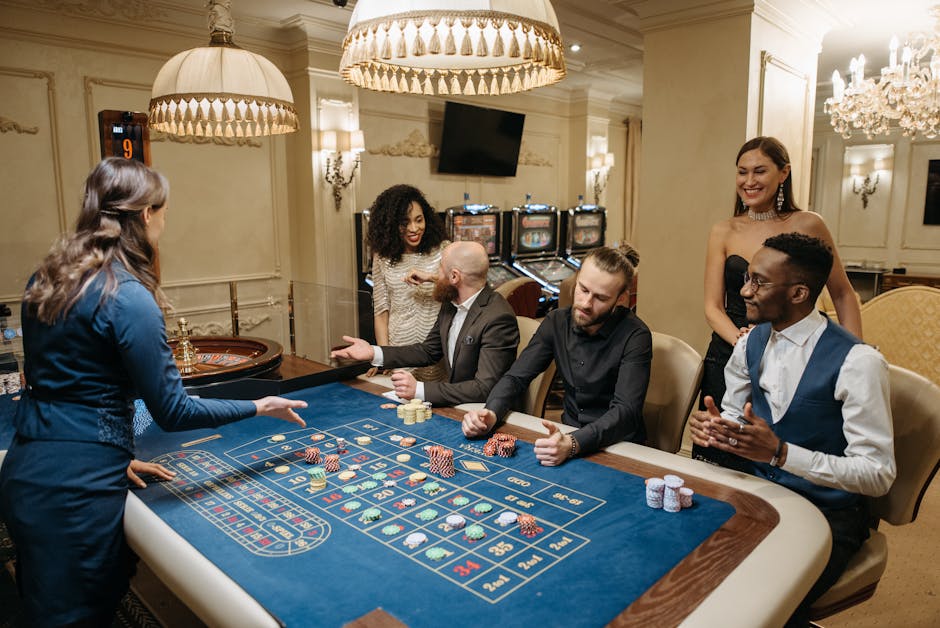
Think of the name as a small piece of conversational UI. It should make the next step feel obvious and the room’s character easy to grasp. A cozy room might use friendly, familiar language; a faster room might benefit from a brisker name. The tone should match what players will actually encounter after they tap.
Still, the room name should not be asked to carry essential information alone. If the room has a cost, schedule, format, or entry rule, show that in clear wording nearby. Do not bury ticket cost and rules under theme text. A charming name is not a substitute for a visible price or a plain explanation of how entry works.
Consider a structure where the name gives the room personality and a short supporting line gives the facts:
- Room name: playful, warm, or themed.
- Supporting label: clear description of the game or pace.
- Entry information: cost and relevant rules, visible before the player joins.
That separation lets the creative language do its job without making the interface less transparent. Players should be able to enjoy the invitation and still make an informed choice.
Use alliteration, rhyme, and rhythm to make names stick
Alliteration repeats an opening sound, as in “Bingo Bash.” It can make a short name feel energetic and easy to remember. It is especially useful when the words are familiar and the repeated sound does not distort pronunciation.
Rhyme gives a name a compact, almost slogan-like quality. It can make a phrase easier to recall, but forced rhyme is a common trap. If the second word exists only to complete the sound, the name may feel flimsy or point players toward the wrong game.
Rhythm is broader than rhyme. It is the pattern of syllables and stresses when a phrase is spoken. Compare a name with a clean beat to one with several heavy words piled together. The first often feels easier to say and scan. That is why reading candidates aloud is not a theatrical extra; it is a practical naming test.
A good rhythm does not guarantee a good name. A phrase can be musical but vague. Pair the sound test with a meaning test: does the name suggest the right experience, and does it remain clear when seen in a small button?
Use MrQ and PBS as different kinds of reference
The MrQ website is a useful reference for looking at casino interface context. Study how game names sit beside images, categories, and other lobby information. Notice which details the name communicates and which details the surrounding interface must supply. Use the live site as an observation tool, not as a reason to copy existing titles or assume every label will fit your product’s layout.
A PBS video page can be a different kind of reference: a place to listen for spoken cadence. Watch or listen to a short segment and notice how a phrase lands when read aloud—where the emphasis falls, how long it takes to say, and whether a memorable line is easy to repeat. This is inspiration for rhythm, not a naming template. Any specific PBS video should be checked for relevance before being cited in published work.
Neither reference replaces testing in your own interface. MrQ can help you observe the category; PBS can prompt you to listen closely to language. Your button still needs to work at its actual size, in its actual product.
A practical naming process
Move from meaning to sound to interface testing. This sequence helps keep creativity grounded in the game’s real purpose.
- Describe the game plainly. Write one sentence about what the player does and what makes the experience distinctive.
- Choose a tone. Pick a few adjectives, such as lively, friendly, classic, or quick. Avoid piling on conflicting moods.
- Make word banks. List mechanic words, theme words, idioms, and related everyday expressions.
- Generate several approaches. Try direct names, puns, adapted idioms, alliteration, rhyme, and rhythmic phrases.
- Read each option aloud. Listen for awkward stress, hard-to-say combinations, and phrases that need explaining.
- Test the UI label. Put the finalist on the smallest button and test it on relevant screen sizes.
- Check clarity and risk. Ask people what they expect from the name, then review meaning, compliance, and localization.
Score candidates against the right criteria
A simple scorecard makes decisions easier than arguing over which name sounds most entertaining. Rate each option from one to five, where five is strongest. Treat button fit and clear wording as essential requirements, not bonuses that a funny pun can cancel out.
Criterion What to ask Warning sign Button fit Does it fit cleanly in the smallest planned button? Clipped text or awkward wrapping Clear wording Does it suggest the right kind of experience? Players guess the wrong mechanic Voice Does the tone match the game and brand? The name promises a mood the game does not deliver Sound Is it easy and pleasant to say aloud? Stress or pronunciation feels awkward Distinctiveness Can players tell it apart from nearby titles? It blends into a row of similar names Trust Are costs and rules clear elsewhere in the interface? The theme obscures practical informationCommon naming mistakes to avoid
- Choosing cleverness over clarity. A joke that hides the game’s purpose is a poor button label.
- Assuming every playful phrase is a pun. Alliteration, rhyme, and a lively tone are different tools. Name them accurately and choose the one that helps most.
- Testing only on desktop. A label that fits a wide tile may fail on a narrow mobile button.
- Using a familiar idiom without checking fit. Familiarity cannot fix a mismatch between the name and the mechanic.
- Letting theme replace information. Keep costs, rules, and entry details visible and plainly worded.
- Keeping a name because the team understands the joke. New players do not have the meeting-room context. Test what they infer.
Make the name earn its place
The strongest mini-game names are compact without feeling stripped down. They use the space well: a clear clue, a little personality, and a sound that is easy to remember. Puns and double meanings can add a second layer. Idioms can make a room feel familiar. Alliteration, rhyme, and rhythm can help a label stick. But none of those devices should make the button harder to understand.
Start with the player’s task, check the button text limits early, and test every finalist in context. Use MrQ to observe casino interface patterns and a PBS video page to listen for cadence, then bring those observations back to your own design. If the name reads clearly, sounds natural, and fits without squeezing, it is ready to be more than a good line in a brainstorm—it is ready to work on the button.